

Ramayana is not thinking small on its way to theatres. With a global release plan stretching across nearly 40 languages, the Namit Malhotra-backed epic is being positioned as a full-scale international event, one designed to travel far beyond its core home audience and play with the kind of reach Indian cinema rarely attempts in one stroke.
The film is confirmed to release worldwide on November 5, 2026, with Sony Pictures handling international distribution and Dharma Productions distributing it in the Hindi-speaking market. Advance bookings are set to open on October 20, 2026, giving the campaign a major festive launchpad ahead of its Diwali release.
The Big International Release Plan
What makes this strategy stand out is not just the size of the release, but the intent behind it. By preparing the film for a multilingual global rollout at this scale, the makers are clearly chasing a much broader theatrical footprint than the standard overseas model built largely around diaspora audiences. The aim is to make Ramayana feel locally playable in multiple territories rather than simply available abroad.
That ambition has been visible in the film’s promotional path as well. Ramayana was showcased at CinemaCon 2026 and later at San Diego Comic-Con 2026, two high-visibility platforms that helped place the project in a global exhibition and fan-event conversation. The Sony distribution partnership only strengthens the sense that the team is building for a release with serious international muscle.
Cast, Crew And Release Details
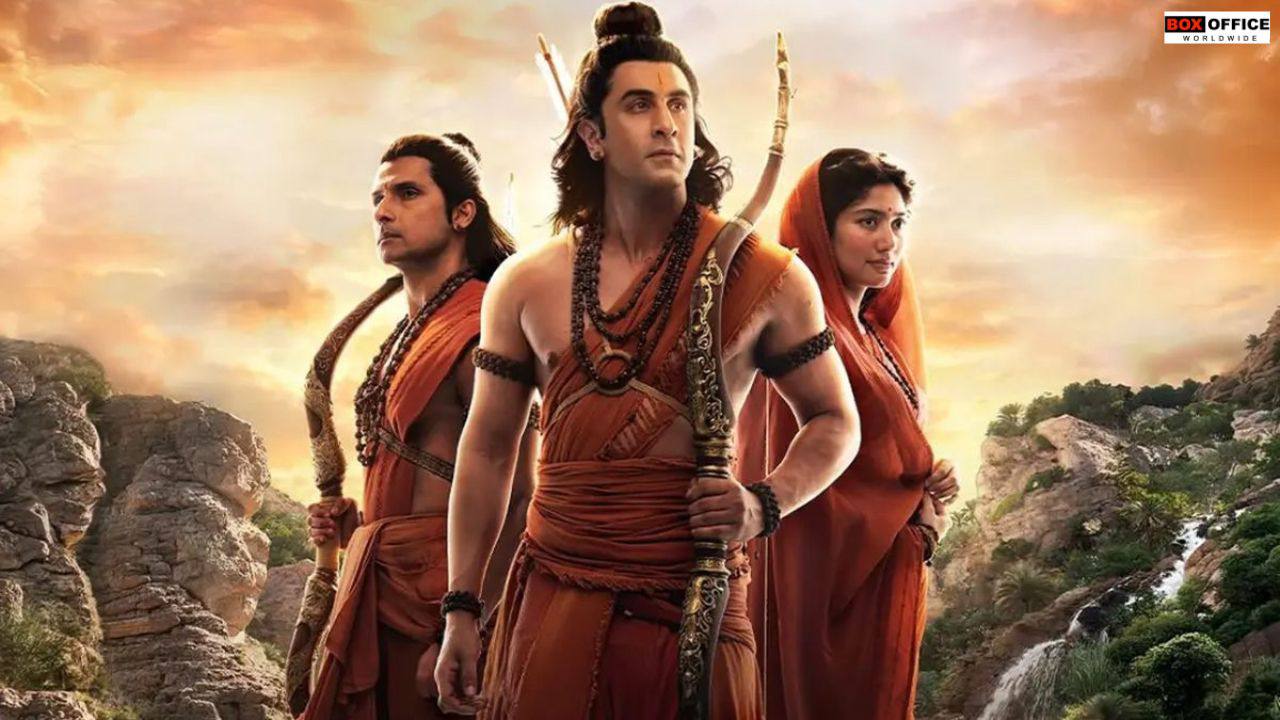
Directed by Nitesh Tiwari, Ramayana stars Ranbir Kapoor as Lord Rama, Sai Pallavi as Sita, Yash as Ravana, Sunny Deol as Lord Hanuman, and Ravi Dubey as Lakshman. The music has been composed by A.R. Rahman and Hans Zimmer, adding another major point of intrigue to a film already carrying enormous industry attention.
The project has been mounted as a two-part saga, with the second chapter scheduled for Diwali 2027. Drawing from the Indian epic Ramayana, the film is expected to build its big-screen storytelling around the central conflict between Rama and Ravana, backed by large-scale fantasy action and a premium theatrical canvas.
Related News

That scale is exactly why the language strategy carries unusual weight. For a production this ambitious, market reach is not a side detail, it is central to the film’s theatrical identity.
Why The Language Push Matters
For years, Indian event films have expanded overseas through subtitled versions and a limited dubbed presence in select markets. Ramayana appears to be pushing that model much further by treating localization as a central release tool rather than a supporting add-on. That approach could prove especially valuable in territories where spectacle sells strongly, but language access often determines how far a film can travel.
More importantly, it signals confidence in the film’s ability to connect as a mainstream theatrical event across diverse markets. If the rollout lands as intended, Ramayana will not just arrive as one of 2026’s biggest Indian releases, it will arrive with a global playbook bold enough to change the conversation around how far an Indian epic can go.
Stay tuned with us for the latest news, Hindi box office news, Hollywood news, OTT news, the latest Bollywood news, and the latest box office news.